The EU’s Advanced Biofuels Capacity Blueprint: What the Data Says – and Why HVO Is Both the Answer and the Problem

The EU’s Advanced Biofuels Capacity Blueprint: What the Data Says – and Why HVO Is Both the Answer and the Problem

Based on the European Commission’s Final Report: “Mobilization of Industrial Capacity Building for Advanced Biofuels” (DG RTD, 2nd February 2026). This article is Water Revolution Foundations key takeaways from the European Commission Report, referred to as ‘the study’.

The Core Question

Can Europe actually build the industrial ecosystem needed to meet its own renewable fuel targets? That is the question at the heart of a substantial new European Commission study, executed by a consortium of EXERGIA, Politecnico di Torino (POLITO), and BEST (Bioenergy and Sustainable Technologies). The short answer is yes, but very nuanced: it will take a coordinated, multi-technology build-out and substantial public financial support that currently isn’t in place.

The study looks at 20 different industrial pathways for producing advanced biofuels. It then evaluates each one based on three main factors:

  1. How mature the technology is
  2. Whether enough feedstock exists to scale it
  3. How much it could realistically contribute to the fuel market

From there, the study builds financial models for the most promising pathways and proposes a collective financing plan to support them. The analysis focuses on two key periods, 2025–2030 and 2030–2040, while keeping the broader goal of EU climate neutrality by 2050 in view.

The conclusion is clear: no single pathway will deliver more than 50% of the fuels needed. Europe requires a portfolio of technologies – from hydrotreatmentHydrotreatmentA refining process that uses hydrogen to convert feedstocks into clean fuels such as HVO and HEFA-SPK, a type of sustainable aviation fuel. to anaerobic digestionAnaerobic DigestionA biological process in which microorganisms break down organic material without oxygen to produce biogas that can be upgraded to biomethane. to pyrolysisPyrolysisA thermal process that heats organic material without oxygen to produce bio-oil, syngas, and biochar, which can be co-processed in refineries into fuels with biogenic content. to gasificationGasificationA thermal process that converts carbon-based materials into syngas (carbon monoxide and hydrogen) using high temperatures and controlled oxygen or steam. and synthesisSynthesis (from Syngas)A chemical process that converts syngas into liquid fuels such as synthetic diesel or aviation fuel. – drawing on the full range of available feedstocks and serving road, aviation, and maritime simultaneously.

Twenty Pathways, Four That Matter Now

Starting from a longlist of 20 industrial value chains (IVC), the study applied four key performance indicators to narrow the field:

🔹Greenhouse Gas (GHG) savings of at least 65% compared to fossil fuels (as required by RED III)

🔹Technology Readiness Level (TRL)Technology Readiness Level (TRL)A scale used to assess the maturity of a technology, ranging from basic research to full commercial deployment. of 9 at least five years before the target period

🔹Feedstock availability sufficient to cover at least 10% of the relevant sectoral target

🔹Expected production deployment covering at least 10% of the EU advanced biofuels target

For the 2025–2030 period, only four IVCs met all four conditions above:

  1. TransesterificationTransesterification (FAME Biodiesel)A chemical reaction where fats or oils react with an alcohol to produce fatty acid methyl ester (FAME) biodiesel and glycerol. → Fatty Acid Methyl Ester (FAME) biodiesel
  2. IVC2 – Hydrotreatment of Lipids → HVO and HEFA-SPK, a sustainable aviation fuel.
  3. IVC7 – Biomethane from Anaerobic Digestion → biomethane
  4. IVC13a – Pyrolysis and Co-processing in Refinery → biogenic content fuels

For 2030 – 2040, the list expands to 13 IVCs as emerging technologies reach commercial maturity. The critical additions include cellulosic ethanol-to-jet, biomass gasification to methanol and methane, Fischer-Tropsch synthesis, and stand-alone pyrolysis upgrading.

HVO: The Most Viable Option, With Caveats

Why HVO Leads

Of all the advanced biofuel pathways assessed, Hydrotreated Vegetable Oil (HVO) (produced via IVC2) stands out as by far the most commercially mature and cost-competitive. This is not a surprise to industry observers, but the study quantifies the gap with precision.

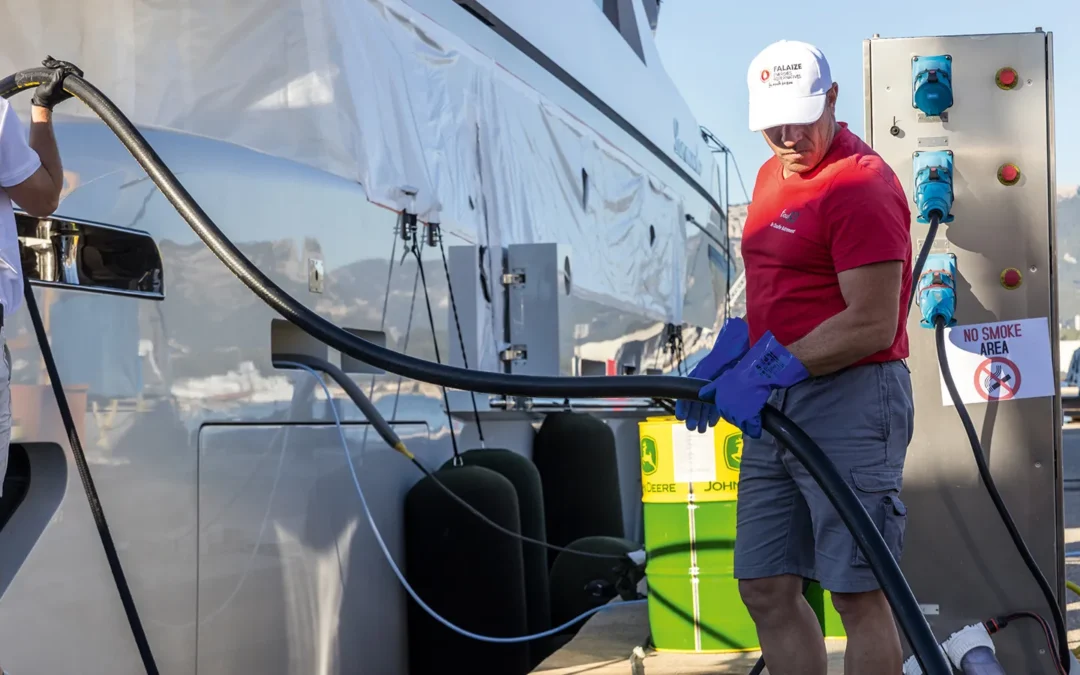
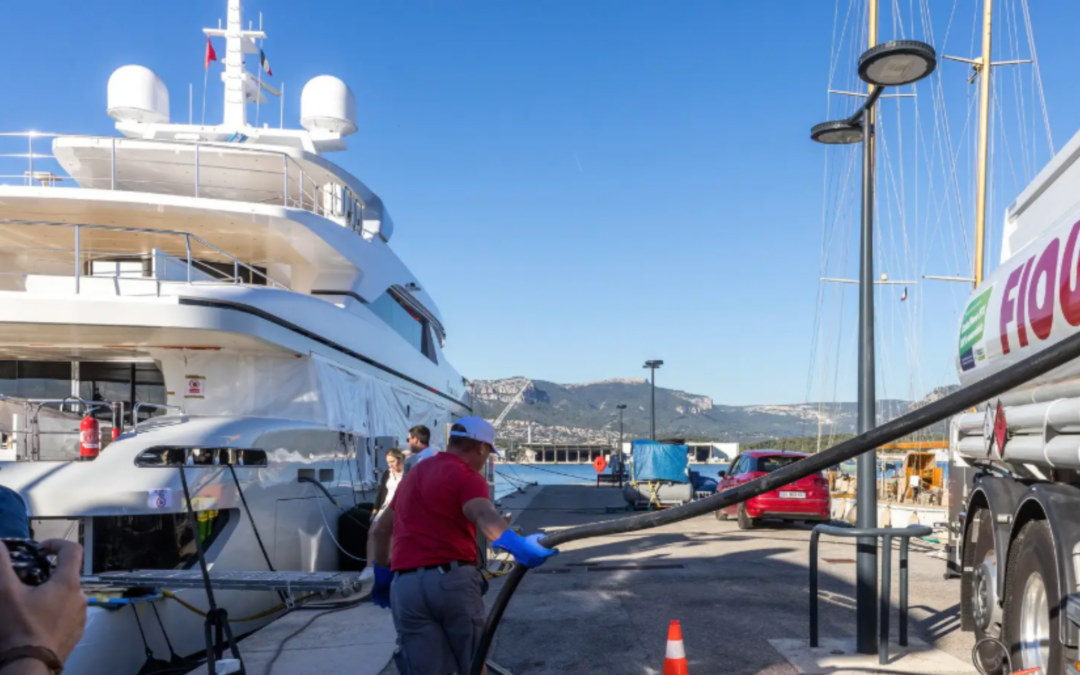
The study gives HVO a TRL of 9, which means the technology is fully mature and ready for large-scale market deployment. It also has the lowest production cost of all the liquid biofuel pathways assessed, at around €103/MWh. FAME biodiesel is close at €119/MWh and, according to the study, can also compete without extra operating support. But HVO still has a stronger overall market position. It works as a drop-in fuel, performs better in cold conditions, and can be used across road, aviation, and maritime applications.

This advantage also shows up in the business case. Among the near-term pathways, HVO is the only fuel that comes close to being commercially viable, assuming it can be sold at prices comparable to fossil fuels and with EU ETS carbon costs taken into account. And when maritime use is included, the case becomes even stronger, because FuelEU Maritime penalties improve the competitiveness of lower-carbon fuels.

The scale also matters. HVO plants are the largest in the study, typically with more than 700 MW of output. Their capital cost is around €1,035 per kW, which is much lower than the €2,500–3,500 per kW range seen for many other pathways. For a 500 kt/year facility producing a mix of HVO, HEFA, naphtha, and LPG, total investment is around €770 million.

Biggest constraint for HVO

The study is candid that feedstock security is the dominant risk for HVO/HEFA. Used cooking oil (UCO), currently the primary feedstock, is constrained in availability and faces increasing demand competition. Expanding to eligible oilseed crops (notably Brassica carinata and camelina, grown as intermediate crops) is the identified scaling pathway, but this requires overcoming a regulatory misalignment between the Common Agricultural Policy (CAP) and RED III.

The two frameworks do not talk to each other well. In practice, this creates unnecessary friction for farmers. Some crops that qualify under RED are not recognised in CAP crop registers. In some cases, farmers who use fallow land for biofuel crops may even risk losing direct payments. On top of that, there is no shared data system or harmonised audit process between the two frameworks. The result is more paperwork, more uncertainty, and less incentive for farmers to participate.

To address this, the study recommends a feed-in premium of €25–40 per tonne for eligible oilseeds to encourage uptake. It also says that aggregators — the actors responsible for collecting, certifying, and delivering feedstock — need support as well, especially for certification and group auditing costs. This is particularly important for smaller cooperatives, which often struggle to absorb the added compliance burden.

Processing materials for HVO also require attention. Hydrogen, catalysts (requiring nickel and molybdenum), and bleaching earths are critical inputs. Catalysts are typically sourced outside of Europe, and supply could become critical at scale. Hydrotreatment Engineering, Procurement and Construction (EPC) companies exist but are currently capacity-constrained due to simultaneous project commitments.

The 2030 – 2040 Expansion

Good to know: by 2040, the list of essential biofuel pathways expands from 4 to 13, with required volumes reaching around 42 Mtoe per year, about 50% higher than 2030 levels.


Overall, the study suggests that a coordinated, system-wide approach is necessary to support the entire sector, rather than addressing individual projects separately.


A key point from the study is that industry feedback pushed cost estimates up significantly for some of these technologies, especially for aviation fuels. And for the synthetic fuel routes, commercial viability depends heavily on much cheaper green hydrogen; something that still looks uncertain.

The Financing Gap: What It Actually Costs

The study’s most policy-relevant output is its estimate of the total financing support required across the four distinct IVCs to meet 2030 targets:

Support CategoryAnnual Requirement (2030)
Upstream (farmers/feedstock mobilization)€700–1,245 million/year
Industrial units (production support)€3,849–7,499 million/year
Total€4,548–8,744 million/year

By 2040, the financial support needed becomes much larger. The study estimates €13,290–20,526 million/year (€13.3–20.5 billion per year) will be required. This is mainly because the next generation of biofuel technologies are more expensive and less mature, and they need to be built at much larger scale.

To make these fuels competitive, the study proposes using a Feed-in Premium (FiP). This means producers receive a payment for every unit of fuel they produce so that the final price can compete with fossil fuels. Europe used the same idea before to help solar and wind energy scale up.

Most of this support — about 85% — would go to the fuel producers operating the plants. The study argues that this is not really “new” cost for the system. In practice, the money simply compensates the gap between renewable fuel costs and fossil fuel prices. Without it, consumers would end up paying more directly through higher fuel prices.

The remaining 15%, €700–1,245 million/year (around €700 million to €1.25 billion per year), would go to farmers and feedstock suppliers. This part is different because it would require new funding, mainly to support farmers growing biofuel crops and the systems needed to collect and certify those feedstocks.

The Skills and Infrastructure Gap

Beyond financing, the study points to another important constraint: Europe does not yet have enough experienced developers to deliver advanced biofuel projects at scale.

The technical knowledge exists. The equipment is available. And many of the skills can come from the refinery and chemical sectors. But what is still limited is the ability to take these projects all the way from concept to delivery, especially for more complex pathways such as gasification, Fischer-Tropsch, and methanol synthesis.

Right now, most of the market attention is going to HVO and HEFA. Other pathways have far fewer companies actively pushing them forward. In biomethane, for example, some developers are focused more on building projects to sell them, than on creating strong long-term business cases. And for newer technologies, the number of EPC companies able to deliver first-of-a-kind plants is still very small.

The picture across Europe is also uneven. Most advanced biofuel activity is concentrated in northern and western Europe, particularly in countries such as Finland, the Netherlands, France, Italy, and Sweden. Meanwhile, south-eastern and central-eastern Europe may have the feedstock potential, but they often lack the industrial base, financing tools, and policy support needed to turn that potential into actual projects.

That is why the study argues that future growth cannot rely only on national approaches. It will require cross-border and regionally connected value chains if Europe wants to scale advanced biofuels more evenly.

What this means in practice is fairly straightforward.

The EU already has most of the building blocks. The technologies exist. The feedstocks exist (From the feedstock suppliers’ perspective particularly agricultural and forestry operators supplying lignocellulosic biomass). And, at least in principle, the financial tools also exist. What is still missing is a joined-up system that supports the sector as a whole rather than treating each project in isolation.

In the near term, HVO is the clearest opportunity because it is the most mature and needs the least support. But HVO alone will not be enough. It cannot cover the needs of road, aviation and maritime on its own, and relying too heavily on it would slow down the development of the lignocellulosic and synthetic pathways Europe will need after 2030. It would also risk concentrating most of the industrial activity in a small group of countries.

That is why the study argues for investment across the full portfolio. Not because every pathway is equally strong today, but because only a mix of pathways can deliver the volumes, serve different sectors, and make use of the range of available feedstocks.

This is based on the European Commission Final Report “Mobilization of Industrial Capacity Building for Advanced Biofuels,” published by DG Research and Innovation (Horizon Europe Programme), 2026. Authors: EXERGIA, POLITO, BEST. Edited by Maria Georgiadou (EC), Theodor Goumas (EXERGIA), David Chiaramonti (POLITO).
Click here for the official European Commission article.

The Omnibus Deal Is Done. What Now for Sustainability Reporting?

The Omnibus Deal Is Done. What Now for Sustainability Reporting?

The EU has now finalised the Omnibus I political agreement on sustainability reporting and due diligence. This package revises the Corporate Sustainability Reporting Directive (CSRD) and the Corporate Sustainability Due Diligence Directive (CSDDD). The stated goal is to simplify the rules and reduce the burden on companies.

According to the European Parliament press release of 8 December 2025, the scope of both directives has been significantly narrowed. Under the revised CSRD, only companies with more than 1,000 employees and net turnover above €450 million are required to report. The same €450 million threshold applies to non-EU companies operating in the EU. Due diligence obligations under the CSDDD are limited even further, applying only to large corporations with more than 5,000 employees and €1.5 billion in turnover.

The agreement also simplifies how companies report. The focus shifts away from long narrative disclosures toward core quantitative information. Under CSRD, reporting is built around the European Sustainability Reporting Standards (ESRS). These come in three layers:

  1. Cross-cutting standards
    These apply to everyone in scope. They cover general disclosures, strategy, governance, and basic metrics.
  2. Topical standards
    These cover themes like climate, pollution, water, circular economy (E5), workforce, etc. Companies report on them if they are material (significant enough to affect the company’s business, decisions, or performance) to their business.
  3. Sector-specific standards
    These is meant to add extra, detailed requirements for specific industries, like shipping, construction, energy, or manufacturing.

Originally, the plan was that sector-specific ESRS would become mandatory once they were developed. That would have meant extra metrics and disclosures on top of the general and topical standards, tailored to each sector.

However, sector-specific reporting becomes voluntary, and companies can use a central digital portal with templates and guidance. Some earlier requirements, such as mandatory climate transition plans under the CSDDD, have been removed. Enforcement and penalties remain at national level, with fines capped at 3 percent of global turnover.

The glass half full — despite the rollback

At first glance, the Omnibus deal is not reassuring. It reduces the number of companies required to report and removes obligations that were meant to drive accountability and long-term change. For many observers, this is a clear step back from the ambition that originally sat behind the CSRD and CSDDD.

Acknowledging that, the question is not whether deregulation is good. It isn’t. The question is what still holds, and what becomes even more important in a weaker regulatory environment.

On circular economy reporting, one reality remains unchanged. The largest companies still drive most material extraction, material flows, waste generation and product volumes. Even under the narrowed scope, reporting by these actors still captures where the majority of environmental pressure sits. That does not excuse the loss of coverage across the wider economy, but it does mean that material data from those still in scope remains highly relevant.

At the same time, the refocusing of the European Sustainability Reporting Standards, especially ESRS E5 on circular economy, places more weight on measurable performance. Less narrative, fewer generic statements, and more emphasis on concrete data such as material inputs, outputs, waste streams and key resources. This is not a win of deregulation, but a reminder that data quality matters more than volume, particularly when political ambition weakens.

In other words, the scope has shrunk, and that is a loss. But the basic logic of meaningful reporting — tracking real material flows and impacts — has not disappeared. If anything, it becomes more important when fewer companies are forced to report.

For the yachting sector, this distinction matters. Many companies will now fall outside the formal CSRD thresholds. That should not be interpreted as permission to pause or disengage. In a sector that is highly material-intensive and dependent on complex supply chains, the absence of regulatory pressure increases the risk of blind spots rather than reducing it.

Voluntary reporting therefore becomes more, not less, important. It remains one of the few ways to understand material use and waste, demonstrate credible circular economy performance, and stay aligned with owners, financiers and insurers who increasingly expect quantified, decision-useful data. Where regulation steps back, market expectations and industry responsibility must step forward.

Read our article on what this means for the yachting sector and how to move forward.

The future of sustainable yacht design: Workshop series co-hosted by F/YACHTING

The future of sustainable yacht design: Workshop series co-hosted by F/YACHTING

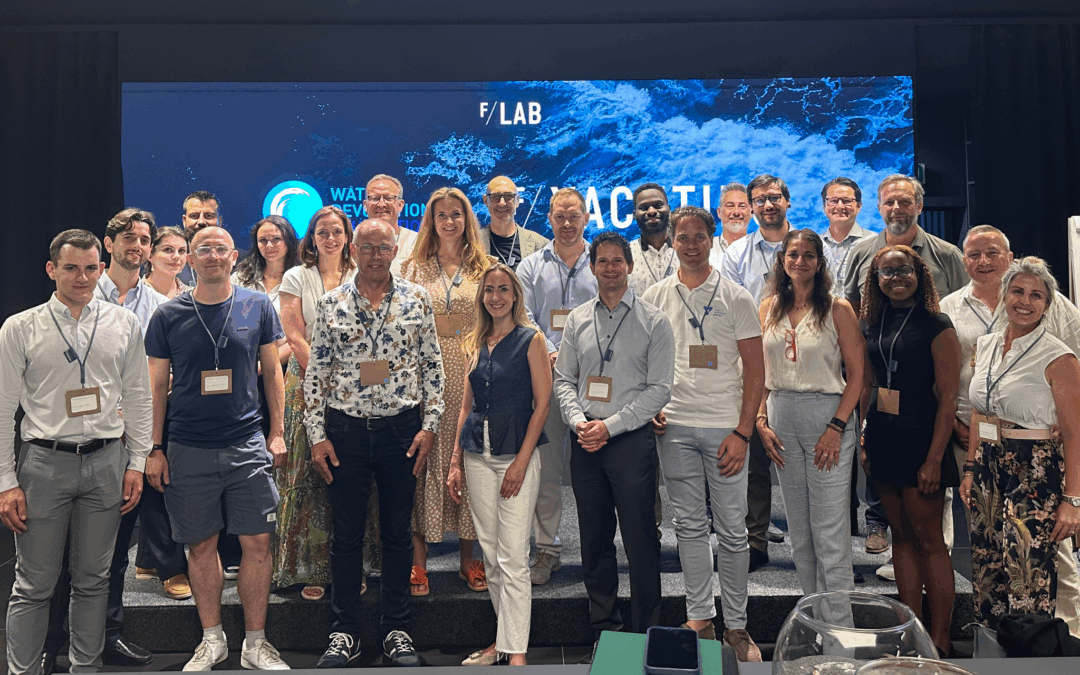
This year, F/YACHTING and Water Revolution Foundation brought together industry changemakers across two thought-provoking workshops to advance one of the superyacht industry’s most pressing conversations: the future of sustainable design.

Did you know that 80% of a yacht’s environmental impact is determined after just 20% of the design process is complete?

These sessions, created space for conversation, fresh perspectives, and actionable collaboration. From material innovation to communication protocols, these workshops took a step closer to building a shared pathway forward for sustainable design.


Workshop 1: Laying the Groundwork
In January 2025, workshop one brought together designers, project managers, and shipyard representatives for a full day of honest dialogue and collaboration. With design having such an impact early on in a yachts lifecycle, it was clear: the earlier we come together, the greater the opportunity to shape truly sustainable outcomes.

We explored:
🔹 How to future-proof design with better material choices and LCA perspectives
🔹 The need for shared responsibility in measuring and reducing environmental impact
🔹 Reimagining sustainable luxury, going “beyond teak”
🔹 Hands-on encounters with next-generation materials during an exclusive tour of F/LIST and its innovative F/LAB

Read the workshop one blog post.


Workshop 2: Building on Workshop One
This second workshop took place in June 2025 and built directly on the foundation of the first with discussions underscoring the urgent need for clearer project briefs, early alignment among partners, and stronger communication throughout the design and build process. Participants also called for systemic changes in material selection, the adoption of design-for-refit principles, and the creation of an industry-wide benchmark to define environmental ambition levels.

The key themes for workshop two were:
🔹 Shifting decision-making earlier to unlock innovation before budgets and specifications are locked
🔹 Lifecycle thinking and design-for-refit: modularity, disassembly, and long-term access must become standard
🔹 Creating a new, more compelling narrative for sustainable design


The result?
The workshops revealed a clear and collective ambition to reshape the superyacht industry through a unified approach to sustainable design. The conversations from the day revealed tangible next steps, including:

🔹 The development of a shared Owners Briefing Tool, to align all stakeholders on environmental goals
🔹 A Design-for-Refit Protocol, promoting long-term thinking through modular and lifecycle-friendly interior strategies
🔹 A Materials & Solutions Library, with verified data on environmental impact, regulatory fit, and lifecycle performance
🔹 An Interior Rating System, to benchmark total design impact, shifting focus to environmental integrity


Read our whitepaper to explore the insights and outcomes from our workshops.


Stay tuned for the next dates

This workshop was #2 of a 4-part series.
Are you interested to join the next one?
Reach out to our team info@waterrevolutionfoundation.org.

EU Sustainability Rules Are Changing: What It Means for Yachting

EU Sustainability Rules Are Changing: What It Means for Yachting

Author: Awwal Idris, Environmental Expert at Water Revolution Foundation

Update as of 18 April 2025

On 3 April 2025, the European Parliament approved the first part of the EU Omnibus Package, voting by a large majority to delay the application of new corporate sustainability reporting (CSRD) and due diligence (CSDDD) requirements. This “Stop-the-Clock” directive postpones CSRD reporting for the second and third wave of companies by two years, and delays the due diligence obligations under CSDDD by one year. The directive now requires formal publication and must be transposed by EU member states into national law by 31 December 2025. The focus will now shift to the second stage of the Omnibus Package, which aims to further simplify and revise the scope and content of sustainability reporting rules.

The EU sustainability regulations strongly revised in 2025

The European Commission (EC) is scaling back sustainability reporting rules with two new proposals: Omnibus Simplification Package I and II, focusing on sustainability regulations for businesses in the European Union. With these proposed amendments, fewer companies will need to report under the Corporate Sustainability Reporting Directive (CSRD) — 80% fewer, to be exact. The Corporate Sustainability Due Diligence Directive (CSDDD) is also being relaxed. Now, companies only need to monitor direct suppliers instead of their full supply chain, and checks will happen every five years instead of annually. These and many other changes made to the original reporting rules are yet to be presented before the EU parliament for further review and negotiations.

Short summary of the proposed amendments

Deadlines have been pushed back:

  • Large EU companies now report in 2028 instead of 2026. Previously, the CSRD applied to companies with 250+ employees, but now only those with over 1,000 employees – with either a turnover of above €50 million or assets of € 25 million – are required to comply. Companies with 500-999 employees are now excluded from mandatory reporting.
  • Listed SMEs also get an extension, with mandatory first reports now due in 2028 (FY 2027). The new deregulation completely removes them from mandatory reporting after that, meaning they will not have to report at all unless they choose to opt in voluntarily.
  • Some due diligence rules under CSDDD have been delayed by a year. EU Companies with 5,000+ employees and €1.5 billion turnover will now comply from July 2028 instead of 2027. Those with 3,000+ employees and €900 million+ turnover will start in 2029 instead of 2028. The timeline for other in-scope companies is unclear but if the pattern holds, it could be pushed to 2030. Under the new deregulated rules, the CSDDD, which would have originally applied to almost 50,000 EU companies, will now only apply to around 6,000 large EU companies and some 900 non-EU companies.
  • For non-EU companies, the reporting deadline remains: under the CSRD, non-EU parent companies with a large EU branch or subsidiary must report in 2029 based on their activities in 2028. Under the original regulation, this applies if the whole group turn over €150 million or more in the EU. The new rules would raise this threshold to €450 million, so fewer companies would need to report. There is no 1,000-employee rule for EU branches or subsidiaries of non-EU companies. Instead, EU turnover is the main factor because most employees of non-EU companies work outside the EU.

The EC expects these changes to reduce administrative burdens by 25% overall and by 35% for SMEs by the end of its mandate, enabling competitiveness for EU companies and simplify investment programs.

What This Means for Yachting and EU-based Marine Industry

For the European-based superyacht industry, this will mean less pressure to comply… or an opportunity to redirect our efforts from compliance to solving the true issue: the industry should look beyond regulations to drive progress. Climate change and environmental degradation remain existential threats to Europe and the world, and deregulations do not change the scientific reality. The need to reduce environmental impact has not disappeared, and businesses will still need to track progress, set targets and work toward long-term climate neutrality by 2050, whether they are in scope of reporting or not.

Opportunity for an own target-oriented approach

Water Revolution Foundation thus calls on the industry to be pro-active and lead the way towards better future business. This opportunity to define a common goal is the basis of our cooperative Roadmap 2050, driving companies, stakeholders, and organizations to take collective responsibility towards net-zero environmental impact in the superyacht sector by 2050. At the same time, the roadmap aims to also promote the regenerative approach—going beyond reducing harm to creating a positive environmental impact. As regulations loosen, this roadmap becomes ever important as a guide to help the industry meet its targets.

Beyond compliance, these new changes create an opening for self-regulations and industry-led standards. A long-standing complaint in the yachting industry has been that regulation doesn’t account for yachting’s unique characteristics: now with less regulatory pressure, the industry can take charge, setting its own sustainability benchmarks that truly reflect its needs. Instead of waiting for restrictive policies, when these are weak or evolving, scientific data and best practices become the guideposts towards ensuring credibility and competitiveness in a market that increasingly values transparent sustainability. To stay ahead, companies should collaborate to:

  • Develop and rely on best sustainability science and practice to ensure meaningful progress
  • Engage with industry groups to create shared standards that suit yachting while meeting or surpassing global environmental expectation
  • Leverage independent review mechanisms that make sure sustainability claims and investments are credible and actually contribute to positive environmental change.

Staying Ahead

A future tightening of rules is probable if we are to meet the climate targets and environmental ambitions set by 2050. These deregulation actions by the EU may reinforce the perception that sustainability reporting is an administrative burden and overhead cost for businesses, but those able to prioritize environmental responsibility see real benefits:

  • Lower risk and better efficiency over time: compliance takes effort at first, but costs drop as businesses improve their systems
  • Stronger trust from investors and customers
  • Future-proofing against new regulations and market shifts.

Future-proof yachting depends on sustainability

Looking at sustainability as just a regulatory headache is short-sighted – beyond rules, it’s a growing demand from clients, investors, and the industry itself. Clients, especially the new generation cohorts expect more eco-friendly options, and voluntary sustainability efforts can boost reputation and business appeal. Furthermore, a generational shift is also underway—those poised to take over key roles in the industry are far more committed to sustainability and will likely remain engaged in yachting only if environmental responsibility is embedded in its core values. If the industry hopes to attract and retain the next generation of talent, regressing on sustainability efforts is not the way forward. Instead embedding sustainability into the core of the industry will ensure its long-term relevance and vitality in a changing world.

Don’t Wait—Lead

The yachting industry has a unique opportunity to lead by example, proving that economic strength and sustainability go hand in hand. If simplification is pursued purely as means to reduce compliance costs, there is a risk of weakening any needed and essential sustainability progress and/or innovations that can drive accountability and long-term industry resilience. Sustainability isn’t just about ticking boxes – it improves decision-making and competitiveness, and overall protection of the environment our industry depends on. Thus the industry should not look to only comply with regulations: they should lead and define the future of the industry.

Click here for the official European Commission article

HVO: The New Fuel for Yachts

HVO: The New Fuel for Yachts

Author: Awwal Idris, Environmental Expert at Water Revolution Foundation

Highlights

  • HVO offers up to a 90% reduction in CO₂ emissions (well-to-wake) compared to fossil diesel; the CO₂ produced during HVO combustion is biogenic in origin and reabsorbed in the carbon cycle, unlike diesel that adds “new” CO₂ to the atmosphere, contributing to global warming.
  • HVO is a drop-in fuel fully compatible with existing diesel engines and requires no modification. Most leading engine manufacturers in yachting have certified their diesel engines for HVO use.
  • HVO also reduces harmful local air pollutants, including particulate matter (PM) and nitrogen oxides (NOₓ), while containing no sulphur or polycyclic aromatic hydrocarbons (PAHs).
  • Sustainable sourcing and certifications like ISCC or REDcert ensure HVO is produced responsibly, minimizing environmental impact and supporting a circular economy.
  • Disclaimer: HVO is a valuable resource in reducing emissions. However, we encourage reducing onboard energy demand first and foremost; avoiding just switching fuel type for reduced emissions only.


Demystifying Hydro-treated Vegetable Oil (HVO): An immediate solution for significantly reducing yachts’ environmental impact

Internal combustion engines, mostly powered by fossil fuels, are still the primary energy source for many industries, including boating and yachting.

But as our society evolves and the scientific community reliably measures the impact of our reliance—its significant pollution and greenhouse gas emissions—our industry is at the forefront of responding to the urgent need for new technology and policy changes.

This article explores HVO as one opportunity for transition, its potential role in reducing emissions within the superyacht industry, including specific examples for superyachts.

Phasing out diesel

In Europe and worldwide, diesel engines are widely used for their greater efficiency, which allows them to produce 10–40% less CO2 than gasoline engines. However, diesel engines struggle to meet strict emissions standards, such as the International Maritime Organization Tier III, which sets limits on nitrogen oxide (NOₓ) emissions from marine diesel engines. For yachts, this challenge arises from the unique operational hours of yachts, which often involve prolonged periods at low engine regimes. As a result, emissions control systems like selective catalytic reduction (SCR)—which need to attain a high temperature for efficacy (240-450°C)—are less effective in reducing NOₓ and particulate pollution. Most yachts with engines above 130 kW would need a modern SCR system to meet Tier III regulations when operating in designated Emission Control Areas (ECAs), where strict NOx limits apply. Plant-based biofuels offer a promising way to reduce emissions. Biodiesel, often called FAME (fatty acid methyl esters), a first-generation biofuel, is the most common alternative to regular diesel. It’s made from crops like soy or rapeseed using a process called transesterification. Biodiesel helps reduce pollutants like carbon monoxide, unburned hydrocarbon (HC), and particle emissions. However, it has drawbacks: it breaks down more easily, performs poorly in cold weather, and can damage fuel system parts. Due to these issues, the EU limits biodiesel blends with regular diesel to a maximum of 7%.

Hydrotreated Vegetable Oil (HVO)—a paraffinic fuel made from diverse bio-based feedstocks (second generation), such as plant oils, animal fats, and waste materials—avoids many of biodiesel’s problems. Made by treating vegetable oils with hydrogen, HVO produces fuel similar to regular diesel but without sulphur or other pollutants. Making HVO is also cheaper than making biodiesel, and it works easily in standard diesel engines without any modifications required. Most prominent engine manufacturers active in yachting have recently certified most of their engine models for HVO. In fact, HVO can be mixed with diesel in any amount or even used 100% on its own without major engine adjustments. Many research studies [1,2] have highlighted the potential advantages of HVO with respect to FAME and regular diesel.

What is HVO (Hydrotreated Vegetable Oil)?

Hydrotreated Vegetable Oil, commonly known as HVO, is a renewable fuel produced from feedstocks like vegetable oils, waste fats, and animal fats. HVO is created through a process that treats these feedstocks with hydrogen in the presence of a catalyst, removing oxygen and producing hydrocarbons similar to those in traditional diesel. The resulting fuel has properties that closely resemble fossil diesel but lacks sulphur and other harmful compounds like polycyclic aromatic Hydrocarbons (PAHs), which are present in fossil diesel. HVO has a much lower carbon footprint over its entire lifecycle because it uses renewable resources and emits fewer greenhouse gases (GHGs).

Key benefits of HVO

One major advantage of using HVO as fuel is the significant reduction in CO₂ emissions it offers. Here is an example: let’s assume a superyacht operated for about 1,500 hours and consumed 300 litres of fuel per hour. If this superyacht runs on conventional diesel, its CO₂ emissions would be around 1,205,380 kg CO₂. This is roughly equivalent to the emissions of 903 average European new passenger cars or the annual carbon footprint of about 166 European citizens.

Check here for all calculations.

It’s important to note that these emissions account only for diesel combustion in the yacht’s engines used for propulsion and do not include the generators for the “hotel power”—essentially the non-propulsion needs onboard, such as heating, cooling, lighting, and appliances, all of which are vital to the comfort and functionality of the vessel. If we were to factor in both propulsion and hotel power, the total emissions would, on average, double. When viewed in the context of the global superyacht fleet, these emissions highlight the importance of pursuing solutions that can mitigate emissions.

HVO offers a promising solution for reducing these emissions, with up to a 90% reduction in CO₂ emissions compared to fossil diesel over its entire lifecycle. This includes emissions from sourcing and production (well-to-tank) to combustion in the engine (tank-to-wake). The exact reduction percentage can vary based on factors such as feedstock type, production process, and specific supply chain emissions.

While HVO and diesel release comparable amounts of CO₂ during combustion, the key difference lies in the source of the carbon. HVO emits biogenic CO₂, which comes from plant-based materials that absorbed CO₂ during their growth. This creates a short-term carbon cycle, where the CO₂ released is reabsorbed through natural processes like photosynthesis. In contrast, the CO₂ from diesel combustion comes from fossil sources—carbon that has been locked away for millions of years. Once released, this “new” CO₂ remains in the atmosphere, adding to the long-term carbon load and contributing to climate change.

HVO’s lower carbon intensity is particularly evident in the well-to-tank stage, especially when sustainable, waste-based feedstocks are used.

By switching to HVO with a conservative 80%  CO₂ saving (well-to-wake), this example superyacht could save approximately  964,300 kg of CO₂—a reduction equal to the yearly emissions of about 133 EU citizens. This saving is also comparable to the emissions from around 723 average new European passenger cars.

The potential reduction in CO₂ emissions achieved by transitioning to HVO demonstrates the significant positive impact low-carbon fuels can have on the yachting fleet industry’s overall carbon footprint. As more vessels adopt HVO, this shift could play a crucial role in advancing the sector’s decarbonization efforts.

Renewable and Sustainable Feedstocks: HVO is produced from renewable sources, primarily waste oils and fats, which significantly reduces our reliance on fossil fuels. It’s important to differentiate between primary (or virgin) feedstocks, like soybean or palm oil, and byproducts from waste materials. Virgin feedstocks require considerable land, water, and energy to produce, often leading to environmental concerns such as deforestation and competition with food crops. In contrast, byproducts like Used Cooking Oil (UCO) and animal fats are often discarded; using these materials not only minimizes waste but also reduces the need for new resources. This approach helps achieve greater carbon savings, as waste-derived feedstocks typically have lower lifecycle emissions. By prioritizing these more sustainable options, HVO production supports a circular economy. Yet the secondary status of the feedstock is critical for this to work as such.

Less Emissions. When used in diesel engines, HVO produces much less air pollution compared to regular diesel. HVO can cut carbon dioxide emissions by up to 90% (W-T-W, depending on its feedstock and production), reduce particulate matter by 40-80%, and lower nitrogen oxides (NOₓ) by an average of up to 8% without any engine modification [3]. Additionally, it contains no sulphur or PAH compounds, making it a cleaner alternative overall.

Compatibility with Diesel Engines: HVO can be used in existing diesel engines without modification, making it an immediately applicable solution for reducing emissions across the superyacht industry. This is particularly advantageous for the existing superyachts in the fleet, where environmental upgrades to onboard systems can add cost and complexity. HVO might come at an upcharge in some countries, but more adoption will result in lower costs. The yachting community can pioneer the uptake of HVO for the larger society to benefit from increased availability and more competitive pricing.

Certification is crucial

The Renewable Energy Directive (RED), introduced by the European Commission in 2008, sets mandatory sustainability standards for biofuels, including HVO. These standards establish minimum requirements for reducing greenhouse gas emissions and guidelines for assessing the risks of Indirect Land Use Change (ILUC) associated with different feedstocks.

When first-generation biofuels are produced from crops grown on existing farmland, the demand for food and feed crops doesn’t disappear. This can lead to increased food production in other areas, potentially resulting in land use changes, such as converting forests into agricultural land, with deforestation, significant release of CO2 emissions, and biodiversity loss as a result. For second-generation biofuels such as HVO, these are produced from non-food sources, like agricultural waste, wood chips, and other residual biomass. Since they do not rely on food crops, they typically have a lower impact on food supply and are less likely to drive land-use change for agriculture. However, if second-generation biofuel production scales up significantly, it could still indirectly influence land use by increasing demand for certain waste products or residuals, but this is still generally less impactful compared to first-generation biofuel.

Certification for first-generation biofuel verifies that feedstocks are responsibly sourced, minimizing competition with food crops and reducing negative land-use impact like deforestation. It also verifies that the biofuel meets required GHG savings. For second-generation biofuels, certification guarantees that feedstocks come from non- food, waste, or residual sources, helping avoid land-use changes related to food production. It ensures transparency and traceability in the supply chain, proving that materials are sustainably sourced.

To verify that biofuels (both first and second generation) are truly a sustainable alternative to fossil fuels, RED II outlines specific criteria for the sourcing and environmental impact of biofuels sold in the EU. The key requirements under RED II are:

  • Transport biofuels must achieve a greenhouse gas (GHG) savings of at least 65% compared to diesel.
  • Biofuels used for electricity, heating, and cooling need to have a GHG savings of at least 80%.

Biofuel producers must obtain certification from an independent third party to demonstrate compliance with these standards. This certification process includes auditing the entire supply chain to ensure that sustainability and sourcing criteria are met. Additionally, producers and suppliers are required to submit regular reports to confirm ongoing  compliance to the certification requirements and RED II regulations.

What does it mean for me as a superyacht owner or operator?

For superyacht owners and operators looking to purchase HVO fuel, it is essential to know what questions to ask suppliers when ordering HVO. Below are some key considerations for due diligence that yacht owners and operators should keep in mind or inquire about when sourcing HVO fuel:

Ask for a certification scheme recognized by the EU RED: There are several certification organizations that comply with RED II regulations and criteria. Some of the most well-known include the International Sustainability and Carbon Certification (ISCC), REDcert, and the Roundtable on Sustainable Biomaterials (RSB). These certifying bodies not only adhere to the standards set by RED II, but they also engage independent third parties to conduct audits and certify compliance with both RED II and their own certification schemes. By choosing certified suppliers, you can ensure a thorough audit of the supply chain that aligns with regulations and contributes to real CO2 savings.

Request impact assessment documentation: More biofuel-producing companies are now focused on calculating the actual greenhouse gas (GHG) emissions across their entire supply chain using a full lifecycle assessment (LCA) approach. This allows them to effectively communicate their environmental footprint to stakeholders and customers, as lower emission-intensity fuels are increasingly advantageous for business owners. By reviewing this information, one can gain insight into the GHG savings associated with their biofuels, as well as the potential Indirect Land Use Change (ILUC) impacts linked to their supply chain. A low ILUC risk suggests that the production of biofuels did not interfere with food production or encroach on ecologically sensitive areas like forests.

As we work towards the goal of net-zero emissions by 2050, the operation of yachts is evolving. Using HVO can offer an immediate and significant reduction in emissions and is therefore highly recommended to be adopted widely by the international yachting community as the new fuel for yachts.

As we work towards the goal of net-zero emissions by 2050, the operation of yachts is evolving.
Using HVO can offer an immediate reduction in emissions and thus needs to be adopted widely by the industry.


References: please click here

Image Credit: Burgess

A lifebuoy for yachting

A lifebuoy for yachting

Author: Dr Vienna Eleuteri, Co-Chair and Initiator of Water Revolution Foundation

“Sustainability is no longer about doing less harm. It’s about doing more good”. – Joachen Zeit* 

Yachting’s course toward sustainability is set, with zero emissions as the final destination. Following global climate policy goals, which have long aimed for climate neutrality by 2050, the European Union is committed to reducing greenhouse gas emissions by at least 55% by 2030.

Enter the EU ETS: the European Emission Trading Scheme, a cornerstone of EU climate action since 2005. Though currently limited to yachts over 5,000 GT, it’s only a matter of time before the entire yachting industry is included, driving significant change. The EU ETS, led by the Greenhouse Gas Emission Allowance Directive, encourages cost-effective emissions reductions for a more environmental yachting future.

Achieving true impact

The goals are clear and impact all of us, but how can we truly achieve effective change that signals a real shift in direction? After all, this is a challenge that finds us all “in the same boat.” The 2022 IPCC Report and 2023 Synthesis Report highlight the private sector’s role in spreading climate misinformation and contributing to “maladaptation”—actions meant to address climate change but ultimately worsening risks and harming biodiversity. Though maladaptation is described as an “unintentional side effect,” the evidence is clear: current actions are falling short, and the entire private sector is still off course.

Staying with the nautical metaphor—and beyond it—we’re charting a well-defined course, but with tools that lack precision, risking both our destination and the optimization of our efforts toward a goal that demands a bold shift in direction. Unless we break through the rhetoric and recognize that continuing on this same path won’t relieve natural ecosystems from relentless exploitation and climate stress, we’re simply repeating a cycle expecting a different outcome—a notion Einstein famously defined as madness.

Debunking sustainability myths

Before diving into the solutions, let’s clarify a common misconception: yachting’s emissions are cited by the International Maritime Organisation (IMO) as just 0.3% of global maritime emissions (2-3% overall) yet this figure only reflects fuel use and overlooks the full ecological impact. Beyond propulsion, yacht construction, maintenance, disposal, and infrastructure like marinas and ports all contribute significantly to ecological footprints – disrupting biodiversity, destroying habitats, and contributing to pollution—while not reflected in operational emissions figures.

An additional issue is carbon inequity: yachting serves a small, affluent population with a disproportionately high per-capita carbon footprint. Despite advances in resource efficiency, the benefits are often offset by rising consumption, especially within affluent sectors.

As we sail further into the 21st century, it’s clear that simply aspiring to carbon neutrality isn’t enough—it’s akin to anchoring in shallow waters. This moment calls for the yachting industry to assume genuine leadership by moving from mere harm reduction to the promotion of regenerative practices that actively enhance environmental health. Only by adopting this approach can the yachting sector embark on a path that meets net-zero goals in a serious, proactive, and, above all, credible way.

Establishing a roadmap to 2050 with the 3-R model

This ambition aligns with the recent Water Revolution Foundation industry leadership summit, hosted for its second edition in 2024 by Feadship in Hoofddorp, the Netherlands. At this gathering, industry leaders came together to outline a roadmap to achieve carbon neutrality by 2050 and establish the strategic framework necessary for realizing this goal.

 The 3-R model introduced at the event provides a structured, measurable framework to achieve both net-zero emissions and a nature-positive impact — making it the first sector to adopt this model systematically. Recently validated at COP28 in Dubai during a Water Revolution Foundation-hosted panel at the UN Sustainable Development Goals pavilion, the model has gained international recognition for its scientific rigor and relevance.

Starting with Reduce, the model pushes organizations to set clear net-zero targets, embedding emission reduction into their core strategies. Remove goes further, encouraging investment in proactive emissions offsetting, such as renewable energy projects replacing fossil fuels. However, the true innovation lies in Restore, which emphasizes the restoration of ecosystems. This stage unlocks the potential of blue carbon solutions like seagrass meadows, mangroves, coral reefs, and key biodiversity marine ecosystems that sequester carbon while revitalizing marine resources impacted by human activities.

Putting this vision into action, the Foundation’s Ocean Assist program provides a practical and accessible solution for the yachting community to integrate a complete model aligned with net-zero and nature-positive goals. Driven by an independent advisory board, the program funds high-impact projects that deliver maximum regenerative value, rigorously assessed on a scientific basis.

A balanced investment strategy

The Ocean Assist program reframes marine conservation as essential to the yachting industry, introducing a balanced investment approach that combines Verified Emission Reductions (VERs) and Regenerative Contribution Units (RCUs). VERs are carbon credits representing one ton of CO₂ offset through verified emission reductions, allowing yachting companies to align with global sustainability targets. RCUs go further, channeling funds into “blue carbon” ecosystems — like seagrasses and coral reefs — that both capture carbon and enhance marine biodiversity, directly addressing the ‘Restore’ segment of the 3-R Model. Together, these units form a dual strategy: VERs address carbon offsets, while RCUs support ocean health, shifting the industry from neutral to regenerative impact.

Ocean Assist Units (purchased through the Ocean Assist programme) each combine one VER and one RCU, allowing companies to calculate their carbon footprint or invest in units to offset specific emissions, thereby actively contributing to marine restoration. Companies can start by calculating their total carbon emissions or the impact of individual products and services to determine how many Ocean Assist Units are needed for full or partial offsetting. Each unit provides a one-ton CO₂ offset through VERs, along with additional regenerative benefits through RCUs, supporting projects like Important Marine Mammal Areas (IMMAs).

After investing, companies can track the impact of their Ocean Assist Units using a transparent system, which offers clear metrics for ESG reporting and compliance with the EU’s Green Claims Directive, CSRD, and EU Taxonomy.

This combined approach empowers the yachting sector to go beyond carbon neutrality and positions it as a leader in regenerative environmental development. As the program’s philosophy perfectly captures:

“True luxury is not just about the journeys we take, but the legacy we leave behind—a thriving ocean, resilient and restored, for generations to come.”

_

Visit the Ocean Assist Page here.

_

*Joachen Zeit is a renowned businessman celebrated for his visionary initiatives as the former CEO of Puma, where he integrated environmental and social responsibility into the company’s core business model. He advocates for “doing more good” rather than just “doing less harm,” inspiring industries to adopt a regenerative approach for addressing global challenges.

© Photo by Breed Media – Jeff Brown